.

Menu

The psychology behind why individuals are drawn to casino games is complex and multifaceted. One significant factor is the thrill of chance and the excitement of potentially winning big, especially when it comes to online pokies nz. This anticipation creates a rush of adrenaline, often referred to as the “gambling high.” Players are frequently motivated by the prospect of transforming a small investment into a significant reward, which can drive their desire to engage with various games.
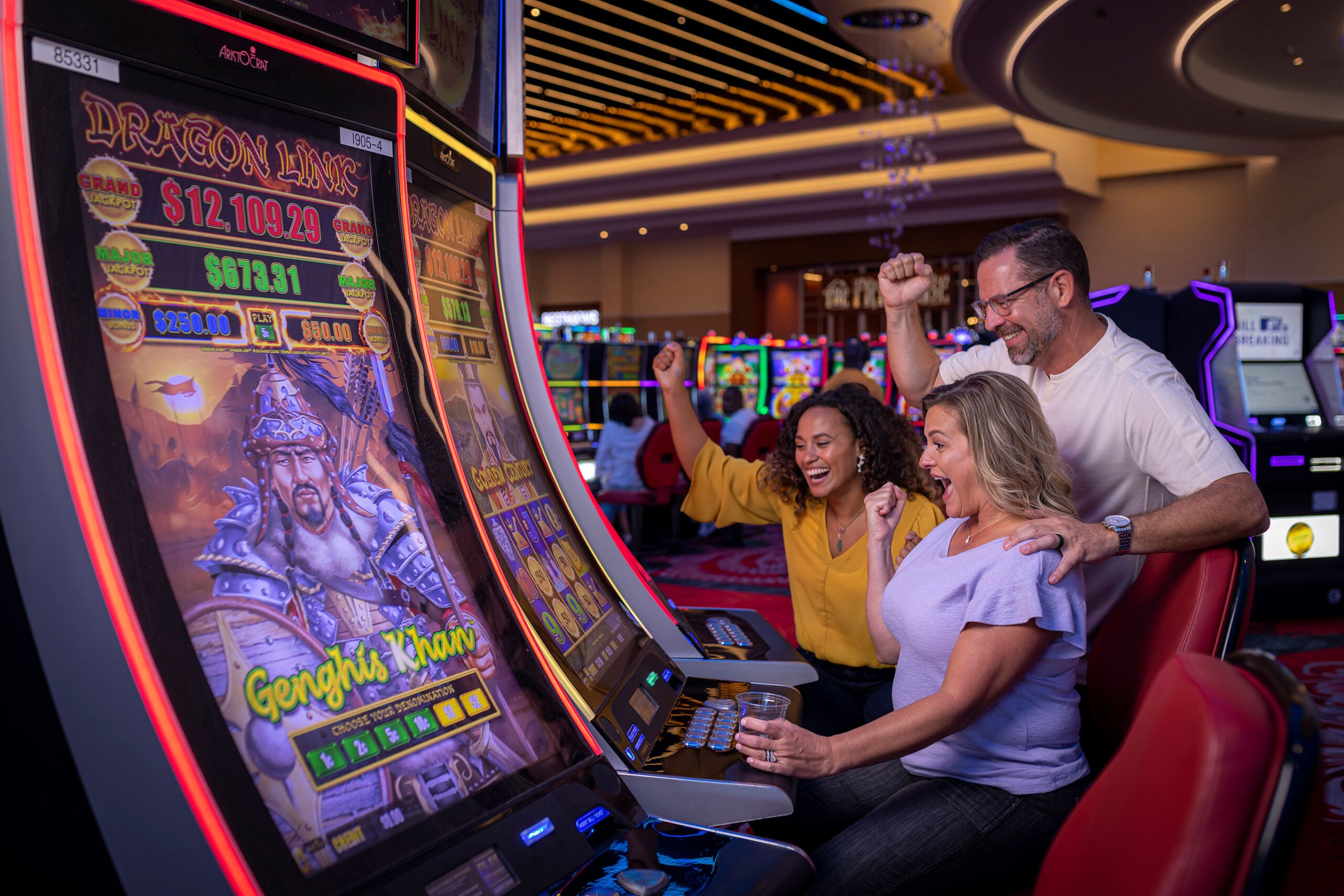
Moreover, the environment in casinos is meticulously designed to enhance this allure. Bright lights, vibrant colors, and engaging sounds create a sensory experience that captivates players. These elements not only attract players but also keep them engaged for extended periods, as they become immersed in the atmosphere, making it difficult to leave the gaming floor.
Another psychological aspect affecting game choices is cognitive biases, which play a crucial role in how players make decisions. Many individuals fall victim to the illusion of control, believing that they can influence the outcome of a game based on skills or strategies. This belief often leads players to favor games where they think their choices have a tangible impact, such as poker or blackjack.
Additionally, the concept of loss aversion also influences game selection. Players are typically more motivated by the fear of losing than the potential for winning. As a result, they may gravitate towards games with lower odds, such as slot machines, which provide a more frequent but smaller payoff. This behavior demonstrates how emotions can significantly shape choices in the casino environment.
Social factors further contribute to casino game preferences. The social aspect of gambling can be especially appealing; many players enjoy the camaraderie and shared experiences that come from playing with friends or others. This communal environment fosters a sense of belonging and can influence one’s choice of games, as players may prefer those that are more social in nature, such as poker or table games.
Moreover, the role of social media in gambling behavior cannot be overlooked. Players often share their experiences online, which can create a bandwagon effect where others are drawn to try out games that are trending or have been highlighted by their peers. This digital influence can steer players toward specific games, altering their choices based on collective experiences.
Casino marketing plays a significant role in shaping player preferences and decisions. Promotions, bonuses, and loyalty programs are designed to attract players and encourage them to try different games. The psychological principle of scarcity is often employed in marketing techniques, suggesting that certain promotions are limited-time offers. This tactic can create a sense of urgency, prompting players to engage with specific games to take advantage of these opportunities.
Furthermore, targeted advertisements based on previous gaming behavior can lead players to discover new games they may not have considered otherwise. This personalized approach increases the likelihood of engagement, as it taps into players’ interests and preferences, ultimately guiding their game choices at the casino.

For those interested in delving deeper into the psychology behind casino game choices, various resources are available. Websites focusing on gambling insights and psychology provide valuable information, helping players understand their motivations and behaviors better. By exploring these materials, individuals can become more aware of their gaming choices and make informed decisions.
Engaging with such platforms can also enhance the overall gambling experience, enabling players to appreciate the nuances of their game preferences. Understanding the psychological factors at play can lead to a more responsible approach to gaming, allowing players to enjoy casinos while minimizing potential risks associated with gambling.
View all


November 17, 2025 | by orientco
March 4, 2026 | by orientco
