.

Menu

The evolution of gambling A historical journey through time
The history of gambling dates back thousands of years, with archaeological evidence suggesting that forms of betting and games of chance were prevalent in ancient civilizations. The earliest known artifacts, such as dice made from bone, have been unearthed in sites dating back to around 3000 BC in Mesopotamia. These ancient games often revolved around chance, allowing participants to engage in risk and reward dynamics that still characterize modern gambling. Today, players can enjoy these dynamics at platforms like Cleobetra Casino, which offers an exciting gaming experience.
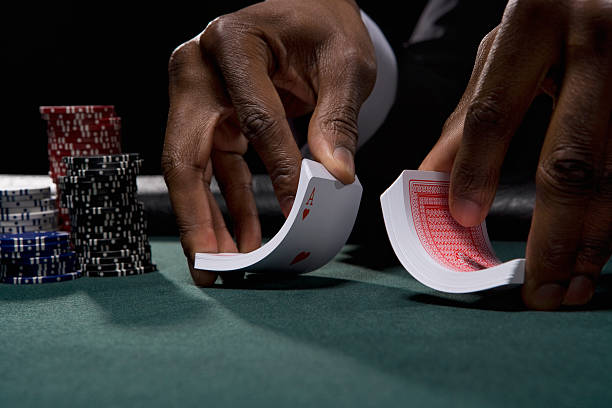
As societies evolved, so did the concept of gambling. Ancient Chinese cultures, for instance, developed rudimentary forms of lottery games around 200 BC, which laid the groundwork for structured betting systems. This progression illustrates the human fascination with luck, chance, and the desire for monetary gain, themes that have endured throughout history.
By the Middle Ages, gambling had transformed significantly. In Europe, various forms of gambling became organized, with the emergence of gambling houses and the establishment of games like roulette and blackjack in casinos. The popularity of these games provided not only entertainment but also a sense of community among players.
This era also saw the birth of gambling laws and regulations aimed at curbing excesses and protecting players. Governments began to realize the potential revenue streams from regulated gambling, leading to the establishment of state-run lotteries and regulated betting establishments. This shift marked the transition from informal gambling to a more structured and accountable system.
The Industrial Revolution brought about major advancements in technology, impacting all aspects of life, including gambling. The invention of mechanical slot machines in the late 19th century revolutionized how people engaged with games of chance. These machines made gambling more accessible to the general public, paving the way for the modern casino experience.
With the advent of the internet in the late 20th century, gambling underwent another significant transformation. Online casinos emerged, allowing players to gamble from the comfort of their homes. This innovation not only expanded the reach of gambling but also introduced new forms of betting, such as online poker and live dealer games, creating a more dynamic and interactive experience for users.
The evolution of gambling isn’t just about historical changes in games and technology; it also encompasses the psychology behind why people gamble. Psychological theories suggest that gambling activates the brain’s reward system, releasing dopamine, which creates feelings of pleasure and excitement. This biological response can lead to a cycle of risk-taking that is difficult for some individuals to resist.
Moreover, social factors play a crucial role in gambling behavior. Many individuals are drawn to gambling as a form of social interaction or a way to escape from stress and anxiety. Understanding these psychological aspects can help in developing responsible gambling practices and addressing the challenges associated with gambling addiction.

In today’s digital age, online gambling platforms have proliferated, offering a luxurious and diverse experience to players worldwide. Sites like Cleobetra Casino present an array of games, ranging from traditional table games to innovative live dealer options, all optimized for both mobile and desktop devices. This accessibility has reshaped the gambling landscape, making it possible for players to engage in their favorite pastimes anytime, anywhere.
Additionally, modern casinos often provide attractive bonuses and seamless banking options, enhancing the overall user experience. With a focus on customer support and fast payouts, platforms like Cleobetra Casino aim to create a royal entertainment adventure for players. As gambling continues to evolve, the blend of technology and psychology will undoubtedly shape its future.
View all