.

Menu
May 14, 2026 | by orientco

The Office of Foreign Assets Control (OFAC) plays a crucial role in shaping the landscape of international finance and trade. In this article, we will explore the OFAC sanctioned countries, detailing their implications for global commerce, security, and diplomatic relations.
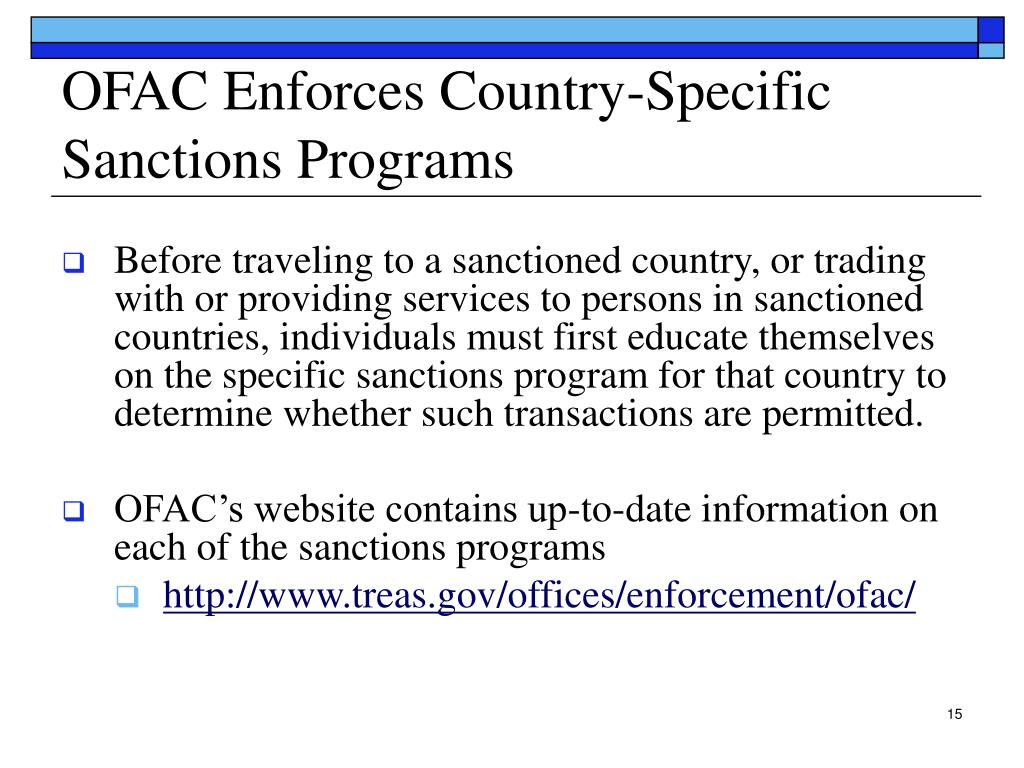
The Office of Foreign Assets Control (OFAC) is a financial intelligence and enforcement agency of the U.S. Department of the Treasury. The primary function of OFAC is to administer and enforce economic and trade sanctions based on U.S. foreign policy and national security goals. These sanctions can target individuals, entities, and entire countries, limiting their ability to engage in financial transactions with U.S. persons and entities.
OFAC sanctions are designed to achieve various objectives, including:
The countries currently sanctioned by OFAC include:
The impact of sanctions extends beyond just restricted trade; they can significantly disrupt economies and deteriorate diplomatic relations. For the sanctioned countries, the consequences may include:
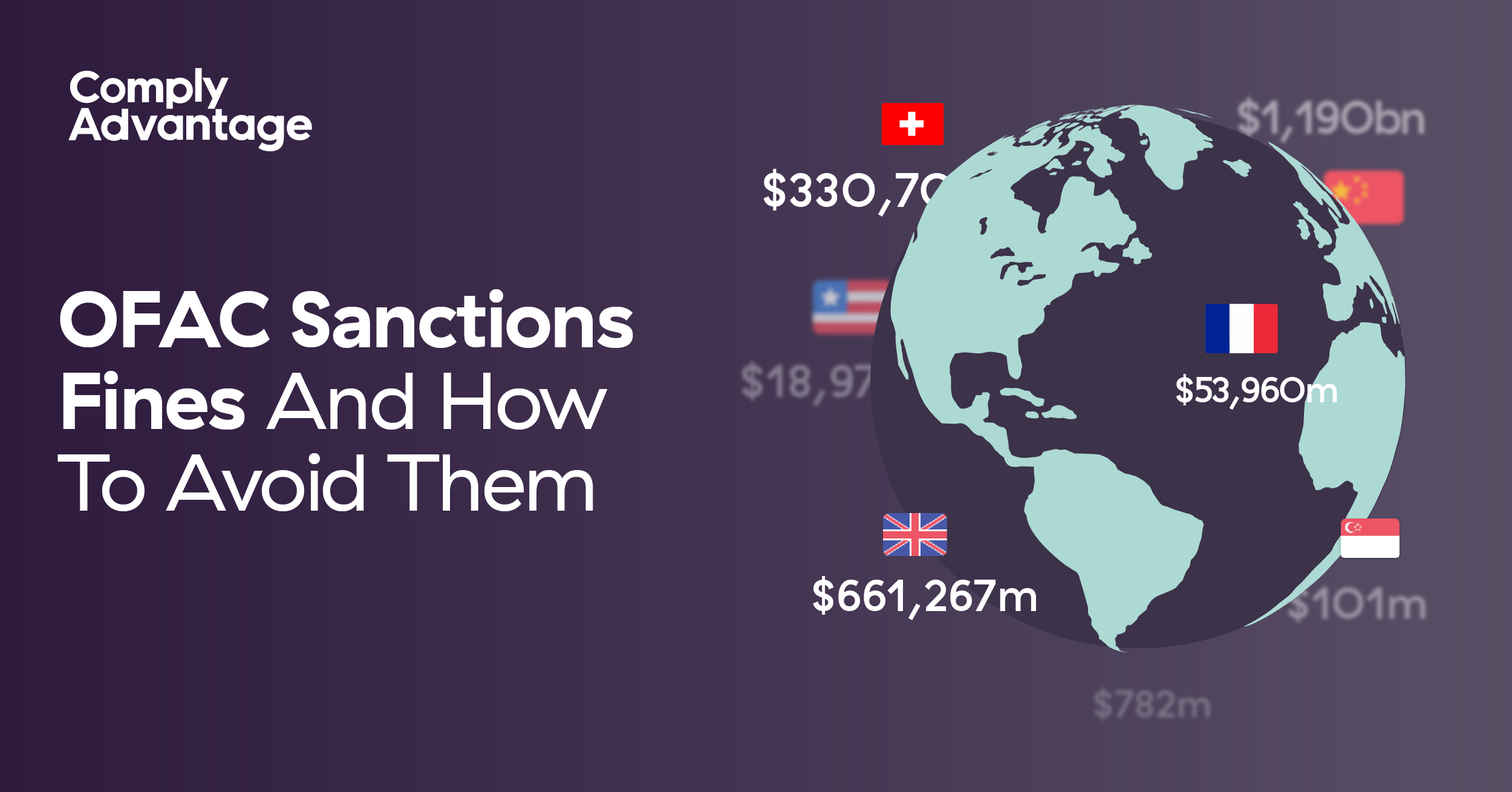
Companies and individuals need to ensure compliance with OFAC regulations to avoid penalties. It’s crucial to conduct thorough due diligence before engaging in transactions involving foreign entities or nationals from sanctioned countries. Potential liabilities include substantial fines and reputational damage.
The geopolitical landscape is constantly changing, and with it, the list of sanctioned countries. OFAC frequently updates its sanctions based on evolving political situations and international relations. For businesses and international stakeholders, remaining informed about these changes is vital. Non-compliance can lead to severe financial and legal repercussions.
As we look to the future, it’s likely that OFAC will continue to impose sanctions as necessary to uphold U.S. interests and international security. The balance between promoting global human rights and maintaining national security will be a key theme in the evolution of sanctions policy.
Understanding the landscape of OFAC sanctioned countries is crucial for anyone engaged in international trade and finance. With the global economy becoming increasingly interconnected, compliance with OFAC regulations is essential to mitigate risks associated with sanctions. Stakeholders must stay informed about changes in sanctions regimes and seek legal counsel when necessary to navigate this complex and sensitive area of international relations.
View all


April 8, 2026 | by orientco
January 3, 2023 | by orientco
