.

Menu
May 11, 2026 | by orientco


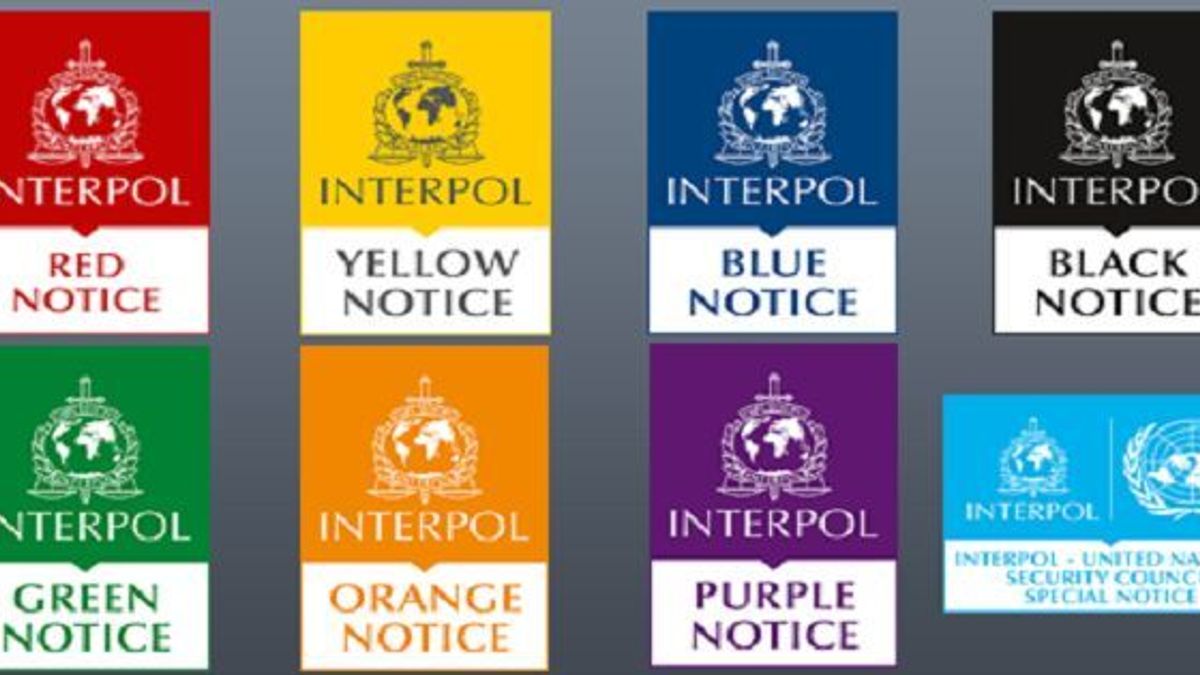
The Interpol Yellow Notice serves as a critical tool in international law enforcement, aimed primarily at locating missing persons, particularly minors. This notice acts as an alert for law enforcement agencies across the globe, providing them a structured method to disseminate information about individuals who may be at risk of harm or who are unaccounted for. For a detailed overview of how Interpol Yellow Notices work, you can check out this resource: Interpol Yellow Notice https://trailkeeper.org/pages/how-interpol-yellow-notice-works.html.
Interpol, or the International Criminal Police Organization, was established in 1923 to foster cooperation among police forces globally. With its headquarters located in Lyon, France, Interpol supports police institutions in 195 member countries. The organization’s primary mission is to assist in the exchange of information to combat transnational crime. Among the various types of notices issued by Interpol, the Yellow Notice stands out due to its unique focus on missing persons.
Yellow Notices are designed to help locate missing persons, especially minors, who may have been victims of criminal acts such as abduction or trafficking. This type of notice is crucial for individuals who are unable to identify themselves, such as those with mental health issues or victims of crime who are found in vulnerable situations. By issuing a Yellow Notice, police can alert their counterparts in other countries about the search for a missing person, facilitating cross-border cooperation.
The process for issuing a Yellow Notice begins when a national police force requests assistance in locating a missing person. The request must be accompanied by extensive details, including physical descriptions, photographs, and any relevant circumstances surrounding the disappearance. Once the request is received, Interpol’s General Secretariat evaluates the application to ensure it meets the necessary criteria.
If approved, the Yellow Notice is then distributed through the secure I-24/7 global police communications network, enabling it to reach law enforcement agencies worldwide. This rapid dissemination allows for immediate action, which is essential in cases where time is critical, such as abductions or disappearances.
The impact of Yellow Notices can be substantial. By providing law enforcement agencies with immediate access to information about missing persons, these notices enhance the capability to conduct timely searches and investigations. Statistics show that Yellow Notices have contributed to the successful location and recovery of numerous individuals around the world. The structure and support provided by Interpol allow for a more coordinated response to incidents that could require international collaboration.
Throughout the years, there have been several high-profile cases where Yellow Notices played a pivotal role. One notable example involved the case of a young girl abducted from her home country; the issuance of a Yellow Notice allowed law enforcement to trace her whereabouts across borders and ultimately led to her safe recovery.
Similarly, Yellow Notices have been instrumental in cases of minors missing due to family disputes or abductions by non-custodial parents. When a notice is issued, authorities can monitor exit points such as airports and border crossings to prevent the child from being taken to another country without legal permission.
Despite the efficacy of Yellow Notices, there are challenges that law enforcement agencies face when utilizing this tool. The differences in legal frameworks, varying levels of resources, and cultural attitudes towards missing persons can impact how quickly a notice is acted upon in different jurisdictions. Additionally, language barriers and differences in police protocols can further complicate international collaboration.
Moreover, the success of Yellow Notices relies heavily on the prompt reporting of missing persons to the authorities. Delays in filing reports can hinder the chances of locating the missing individuals, es

pecially in cases involving minors. Therefore, public awareness and education on the importance of immediate reporting are crucial in enhancing the effectiveness of Yellow Notices.
As technology continues to evolve, so too does the capacity for police forces to leverage digital tools in their search efforts. Social media, mobile applications, and public awareness campaigns play an increasingly important role in disseminating information about missing persons beyond traditional platforms.
In recent years, several countries have started integrating these digital tools with Interpol’s Yellow Notices, allowing for broader outreach and engagement with the public. By encouraging community involvement, law enforcement agencies can enhance their chances of recovering missing persons quickly.
In conclusion, Interpol Yellow Notices are an essential component of the international effort to protect vulnerable individuals and locate missing persons. Their effectiveness relies on the cooperation between countries, the prompt action of law enforcement agencies, and increased public awareness. As challenges persist, the development of new technologies and strategies will be vital in enhancing the response to such critical situations. Understanding and supporting the mechanisms behind Yellow Notices can contribute to a safer society for individuals of all ages.
View all


January 13, 2026 | by orientco
