

Understanding OFAC Sanctioned Countries Impacts and Implications 1434710207
May 14, 2026 | by orientco

OFAC Sanctioned Countries: A Comprehensive Overview
The Office of Foreign Assets Control (OFAC) plays a crucial role in shaping the landscape of international finance and trade. In this article, we will explore the OFAC sanctioned countries, detailing their implications for global commerce, security, and diplomatic relations.
What is OFAC?
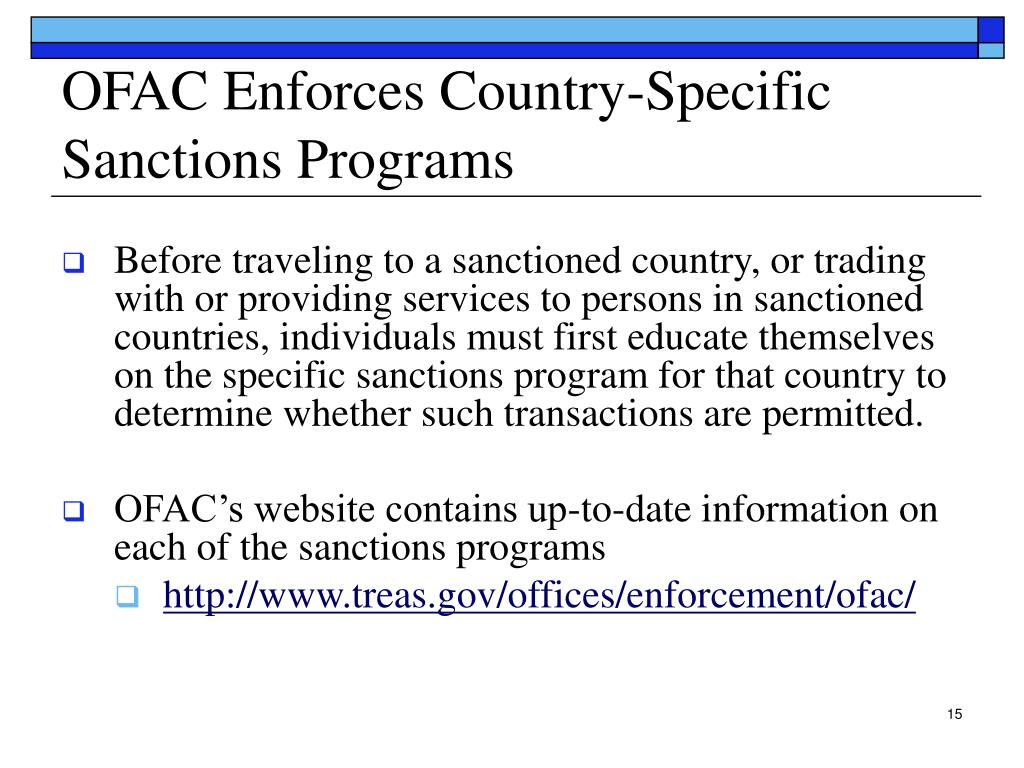
The Office of Foreign Assets Control (OFAC) is a financial intelligence and enforcement agency of the U.S. Department of the Treasury. The primary function of OFAC is to administer and enforce economic and trade sanctions based on U.S. foreign policy and national security goals. These sanctions can target individuals, entities, and entire countries, limiting their ability to engage in financial transactions with U.S. persons and entities.
The Purpose of Sanctions
OFAC sanctions are designed to achieve various objectives, including:
- Preventing the financing of terrorism
- Restricting trade with nations that threaten U.S. national security
- Promoting human rights and democracy across the globe
- Applying economic pressure on regimes engaged in unlawful activities
Key Sanctioned Countries
The countries currently sanctioned by OFAC include:
- Iran: Sanctions are primarily imposed due to concerns over nuclear proliferation and support for terrorism.
- North Korea: Sanctioned for ongoing nuclear weapons programs and various illicit activities.
- Russia: Various sanctions have been imposed in response to its actions in Ukraine and alleged interference in U.S. elections.
- Venezuela: Sanctions are aimed at curtailing the influence of the government on human rights abuses and corruption.
- Sudan: Historically under sanctions due to issues related to terrorism and human rights abuses.
Consequences of Sanctions
The impact of sanctions extends beyond just restricted trade; they can significantly disrupt economies and deteriorate diplomatic relations. For the sanctioned countries, the consequences may include:
- Economic Isolation: Limited access to international markets and investment opportunities.
- Currency Devaluation: Sanctions can lead to instability in local currencies, further complicating economic circumstances.
- Humanitarian Issues: While OFAC sometimes allows humanitarian aid, the overall economic decline can undermine citizens’ access to essential goods and services.
Legal and Compliance Considerations
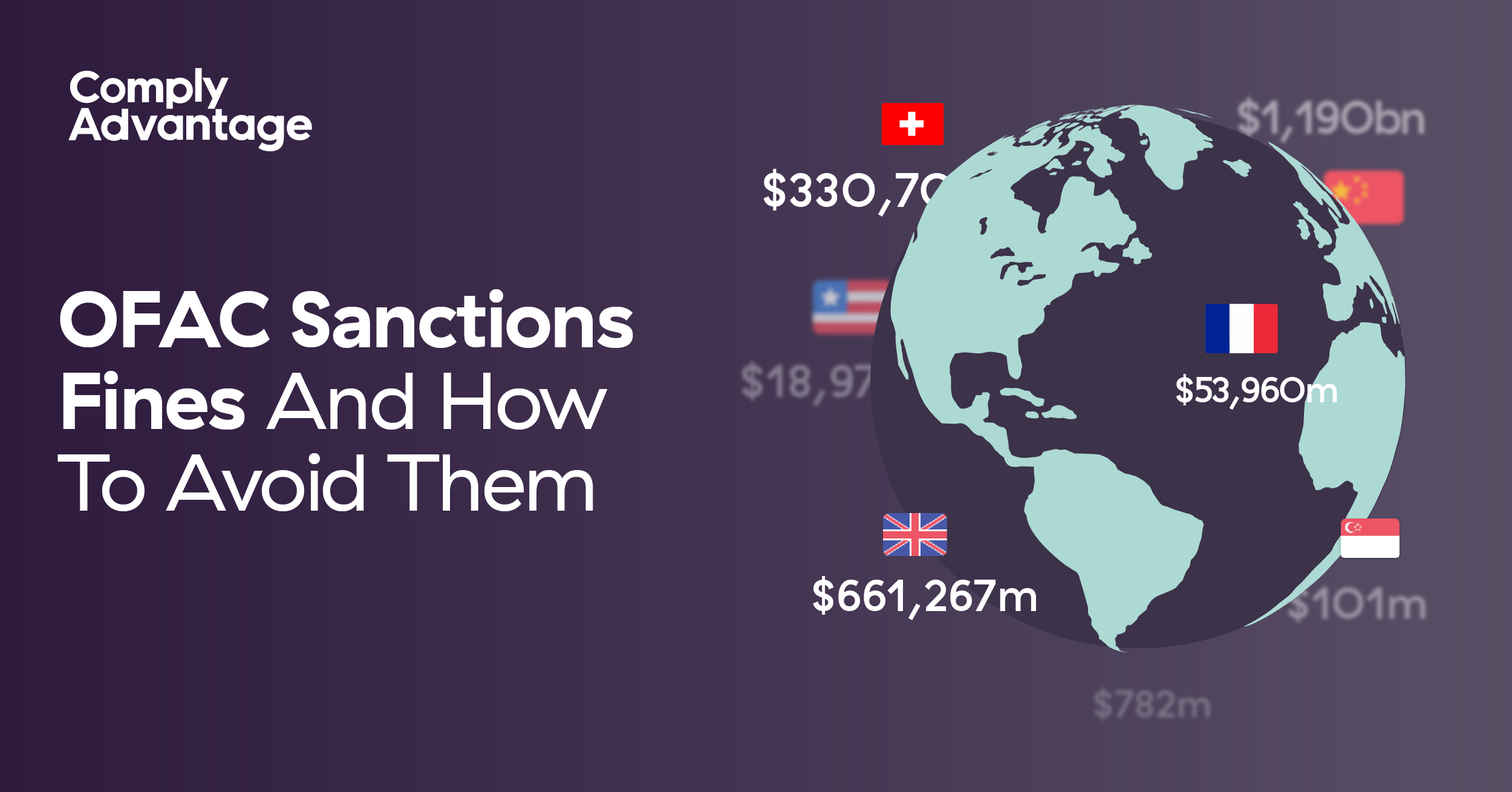
Companies and individuals need to ensure compliance with OFAC regulations to avoid penalties. It’s crucial to conduct thorough due diligence before engaging in transactions involving foreign entities or nationals from sanctioned countries. Potential liabilities include substantial fines and reputational damage.
Recent Developments and Changes
The geopolitical landscape is constantly changing, and with it, the list of sanctioned countries. OFAC frequently updates its sanctions based on evolving political situations and international relations. For businesses and international stakeholders, remaining informed about these changes is vital. Non-compliance can lead to severe financial and legal repercussions.
Future of OFAC Sanctions
As we look to the future, it’s likely that OFAC will continue to impose sanctions as necessary to uphold U.S. interests and international security. The balance between promoting global human rights and maintaining national security will be a key theme in the evolution of sanctions policy.
Conclusion
Understanding the landscape of OFAC sanctioned countries is crucial for anyone engaged in international trade and finance. With the global economy becoming increasingly interconnected, compliance with OFAC regulations is essential to mitigate risks associated with sanctions. Stakeholders must stay informed about changes in sanctions regimes and seek legal counsel when necessary to navigate this complex and sensitive area of international relations.
RELATED POSTS
View all


Decoding the Swiss Casino Landscape: A Deep Dive into the Bahigo Newsletter-Bonus Schweiz
March 6, 2026 | by orientco