


Can you fix a 550 credit score? Yes. But don’t expect a magic wand to turn a disaster into a 750 overnight without some serious effort or a heavy bill.
If you’re sitting there with a score in the low 500s, you probably feel like you’re drowning. You want a house, a car, or even just a credit card that doesn’t come with a 30% APR, but the system keeps saying “no.” You’ve likely heard the promises from companies claiming they can wipe away your debt or erase your mistakes with one phone call. Most of those claims are pure fiction.
Credit repair is a real process, but it’s often misunderstood and frequently abused by scammers. Before you hand over your debit card info to a stranger online, you need to understand what these companies actually do and what they are legally prohibited from doing. You’re essentially paying for a specialized auditor, not a magician.
How These Companies Actually Operate
Most people think credit repair companies have some secret backdoor into the credit bureaus. They don’t. They just use the same legal rights you have under the Fair Credit Reporting Act (FCRA). You have the right to dispute info that is inaccurate, incomplete, or unverifiable. These companies just automate that whole dispute process for you.
When you hire a service, you’re paying them to review your credit reports and find errors. They then file formal disputes with the major bureaus like Equifax, Experian, and TransUnion. If a creditor can’t verify a specific negative item, like a late payment that was actually on time, the bureau is legally required to remove it.
But here’s the catch: you can do this yourself for free. The companies you see in ads are basically charging you for the labor of writing letters and following up on disputes. If the negative items on your report are 100% accurate, these companies can’t legally remove them just because you paid a fee. They can’t “delete” a legitimate debt.
Some companies offer different service levels to fit a budget. For example, CreditRepair.com offers various tiers, including a plan for $119 a month to help you repair your credit and potentially save thousands on future loan rates. It’s a monthly subscription model that keeps you paying until the work is finished, which can be a long road if your credit history is messy.
The Dispute Process Breakdown
The process usually follows a predictable pattern. First, they pull your reports from all three bureaus. Then, they look for “low-hanging fruit”—errors like wrong addresses, misspelled names, or accounts that don’t belong to you. Those are easy wins.
The harder work involves disputing “derogatory” items. These are the things that actually tank your score: collections, charge-offs, and bankruptcies. If these items are accurate, a credit repair company has very little leverage. They’re essentially fighting an uphill battle against the data that banks use to judge your reliability.
The High Cost of Bad Credit and Bad Advice
People often ask how much it costs to rebuild credit. It depends on whether you do the work yourself or hire a professional. If you do it yourself, the cost is just your time. If you hire a firm, you’re looking at monthly fees that can add up to thousands of dollars over a year or more. That’s a lot of cash to spend when your credit is already struggling.
You might be tempted to look for the “fastest way” to rebuild your score. Some people suggest opening new cards or taking out loans, but that can backfire. Taking out a high-interest loan to fix a credit problem is like trying to put out a fire with gasoline. It might feel like you’re doing something, but you’re just adding more debt to an unstable foundation.
Before you sign any contract, watch out for scams. The industry is crawling with bad actors. Some companies promise to remove “everything” from your report. That is a massive red flag. Under the law, they cannot charge you before they have performed the service, and they cannot charge you upfront for “cleaning” your report. If they ask for a large lump sum before they’ve done anything, walk away immediately.
When looking for help, you should compare your options. Some companies are highly rated and legitimate, while others are just glorified telemarketers. For instance, Money.com provides a list of the best credit repair companies that focus on removing inaccurate or outdated items. Stick to the ones that have a proven track record of following the law.
If you want legitimate financial assistance rather than just “cleaning” your report, you might find more value in looking at GoodKnight Credit Loans or similar structured financial products that aim to help you build credit through responsible use rather than just disputing old ghosts.
| Method | Estimated Cost | Difficulty | Effectiveness |
|---|---|---|---|
| DIY Disputing | $0 | High (Time Consuming) | High (if accurate) |
| Credit Repair Service | $50 – $150/mo | Low (They do it) | Variable |
| Credit Builder Loans | Varies | Low | Consistent |
How to Actually Fix Your Score Without Scams
If you want to take control, stop looking for shortcuts and start looking at the math. Your credit score is a calculation based on your history of managing debt. You can’t “fix” a score; you can only improve the data that feeds it. If you want to see a real change, you have to address the root causes of the low score.
The most effective way to build credit is to fix your reporting errors first. If there is a mistake on your report, that’s a gift. Use the dispute process. If the error is gone, your score will jump. But if the errors aren’t there, you have to play the long game. This involves a few non-negotiable steps you can implement today.
First, set up autopay for everything. Payment history is the single biggest factor in your FICO score. A single 30-day late payment can drop your score by dozens of points. Even if you’re struggling, paying the minimum on time is more important than paying a credit card in full and missing a utility bill. You have to protect your track record at all costs.
Second, lower your credit utilization. This is the amount of credit you use compared to your total limits. If you have a $1,000 limit and you’ve used $900, you look like a high-risk borrower. Try to get that number below 30%, or ideally below 10%. This is often the fastest way to see a sudden spike in your score without actually “fixing” any old mistakes.
Steps to a Better Score
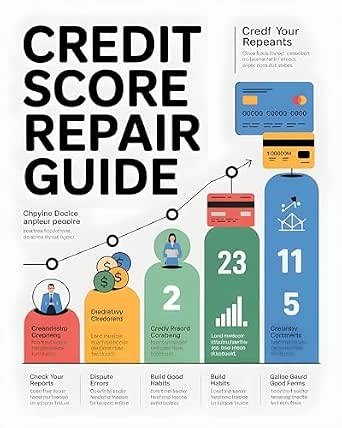
- Check your reports: Get your free reports from AnnualCreditReport.com. Do not pay a company for this; it is already free by law.
- Audit for errors: Look for accounts you don’t recognize or payments marked late that were actually on time.
- Automate payments: Set up minimum payment autopay to ensure you never miss a due date again.
- Request limit increases: If your income has gone up, ask your lenders for higher limits. This lowers your utilization ratio instantly.
Does anyone actually like dealing with credit bureaus? No. It’s a bureaucratic nightmare of automated phone trees and endless letters. But it is the reality of the American financial system. You’re either the master of your data, or you’re a victim of it.
The Long Game for Your Financial Health
You have to stop thinking of credit as a grade and start thinking of it as a reputation. Your credit score is just a summary of how you have treated your promises to pay people back. If you have a 500 score because you stopped paying your bills during a hard time, no amount of “credit repair” will fix that until you start making new, positive payments.
Building credit from a 500 to a 700 takes time. It usually takes months, sometimes years, of consistent, boring, repetitive good behavior. You can’t skip the middle steps. You can’t jump from “defaulted on a car loan” to “prime mortgage candidate” overnight. You have to bridge that gap by showing the bureaus that you’ve changed your financial habits.
And if you find yourself desperate, remember that the most expensive way to fix credit is to pay someone who promises the moon. The cheapest way is the most disciplined. It involves checking your credit, fixing legitimate errors, and ensuring your debt-to-income ratio doesn’t suffocate you. It’s not glamorous, and it’s certainly not fast, but it is the only way that actually works.
Stop looking for a loophole and start looking for a lifestyle change.
RELATED POSTS
View all


Кракен: безопастный доступ к даркнету и онион-ссылки 2026
January 6, 2026 | by orientco
Начните играть в захватывающий слот PinUp прямо сейчас в онлайн казино для Казахстана!
January 30, 2026 | by orientco
