
1win Platformasına İlk Baxış – Qeydiyyatdan Depozita Qədər
Əgər onlayn mərc dünyasına yeni gəlirsinizsə, 1win platforması ilə tanışlıq sizin üçün maraqlı ola bilər. Bu icmalda mən sizə sadə dildə, reallığa uyğun gözləntilər formalaşdıraraq, platformanın əsas xüsusiyyətlərini izah edəcəyəm. Məqsədim, tipik səhvlərdən qaçınmağınıza kömək etməkdir. Rəsmi mənbə üçün https://1-win-azerbaycan.org/ ünvanına baxa bilərsiniz, amma bu məqalə özü də sizə kifayət qədər məlumat verəcək.

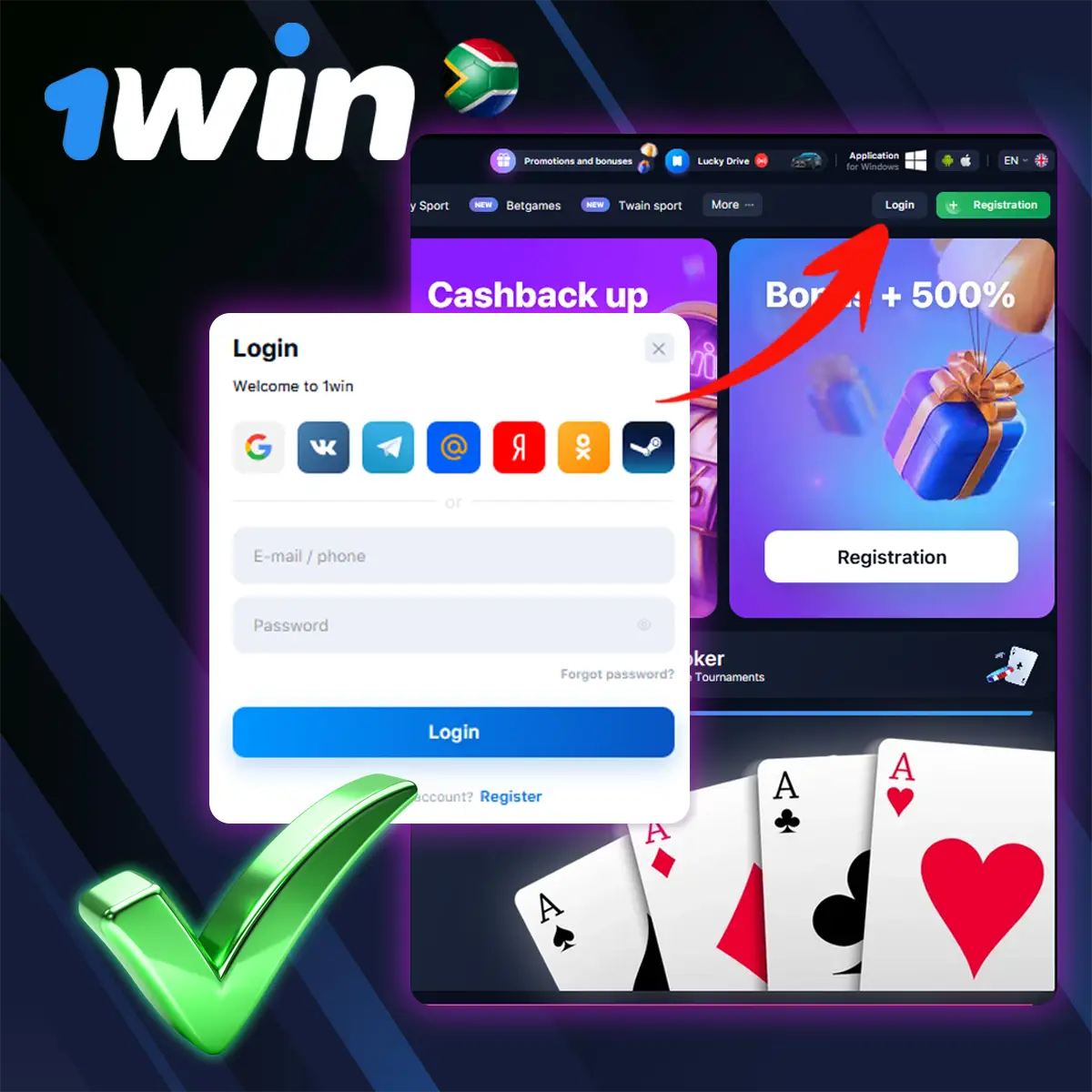
1win Qeydiyyatı – Nə Gözləməli və Nədən Çəkinməli
Qeydiyyat prosesi adətən bir neçə dəqiqə çəkir, ancaq bəzi məqamları əvvəlcədən bilmək faydalıdır. 1win-də hesab yaratmaq üçün sizdən əsas məlumatlar tələb olunur: ad, soyad, e-poçt və telefon nömrəsi. Unutmayın ki, bu məlumatlar sonradan yoxlanılacaq, ona görə də düzgün daxil edin. Yaygın bir məyusluq, səhv məlumat verdikdə pul çıxarışının gecikməsidir.
- Qeydiyyat formasında valyutanı diqqətlə seçin – AZN ilə işləyəcəksinizsə, bunu qeyd edin
- Telefon nömrəsinə təsdiq kodu gələnə qədər gözləyin – bəzən bir neçə dəqiqə çəkir
- E-poçt ünvanını təsdiqləməyi unutmayın – bu addım olmadan bonuslar aktivləşmir
- Şifrəni yazın və təhlükəsiz yerdə saxlayın – unutmaq tez-tez rast gəlinən problemdir
- Birdən çox hesab açmağa çalışmayın – bu, qaydaların pozulması sayılır
1win Tətbiqi – Mobil Cihazda İstifadə Rahatlığı
1win mobil tətbiqi Android və iOS üçün mövcuddur. Tətbiq brauzer versiyasından daha sürətli işləyir və bildirişlər göndərir. Ancaq yadda saxlayın ki, bəzi funksiyalar (məsələn, canlı mərc) tətbiqdə bir qədər fərqli görünə bilər. İlk addım olaraq rəsmi saytdan tətbiqi yükləyin – üçüncü tərəf mənbələrindən yükləmək təhlükəsiz deyil.
- Rəsmi sayta daxil olun və tətbiq bölməsini tapın
- Android üçün APK faylını yükləyin (quraşdırmaya icazə verməyi unutmayın)
- iOS üçün App Store linkindən istifadə edin
- Quraşdırdıqdan sonra hesab məlumatlarınızla daxil olun
- İlk dəfə tətbiq açıldıqda, mərc növlərini araşdırmaq üçün vaxt ayırın
1win Bonusları və Promosiyaları – Reallıq Nədir?
Bonuslar 1win platformasının ən cəlbedici tərəflərindən biridir, ancaq şərtləri diqqətlə oxumaq vacibdir. İlk depozit bonusu adətən 100% və ya daha çox ola bilər, lakin bu, dərhal çıxarıla bilən pul deyil. Məsələn, bonusu aktivləşdirmək üçün müəyyən sayda mərc etməli (veydjer) və bonus məbləğini bir neçə dəfə döndərməlisiniz. Tipik bir səhv, bonus şərtlərini oxumadan böyük məbləğ depozit etməkdir.
| Bonus Növü | Məbləğ | Məhdudiyyətlər |
|---|---|---|
| İlk depozit bonusu | 100% – 500% | Veycer 5x – 10x |
| Pul geri (keşbek) | 5% – 10% | Həftəlik itkilərə əsasən |
| Promo kod | Dəyişkən | Müəyyən oyunlar üçün keçərlidir |
| Turnirlər | Pul mükafatları | Reytinqə görə paylanır |
Depozit və Çıxarış – 1win-də Pul İdarəetməsi
Pul yatırmaq və çıxarmaq prosesi 1win-də nisbətən sadədir, amma bəzi nüanslar var. Depozit üçün bank kartları, elektron pul kisələri və mobil ödənişlər mövcuddur. Minimum depozit məbləği adətən 10 AZN civarındadır. Çıxarış zamanı isə ən çox rast gəlinən problem, şəxsiyyəti təsdiqləmə (KYC) tələbidir. İlk çıxarışdan əvvəl sənədlərinizi hazırlayın.
- Depozit etməzdən əvvəl bonus şərtlərini yoxlayın
- Çıxarış üçün eyni üsuldan istifadə edin (məsələn, kartla yatırdınızsa, karta çıxarın)
- Minimum çıxarış məbləği 20 AZN ola bilər
- Çıxarış vaxtı adətən 1-3 iş günü çəkir, bəzən daha uzun
- Hesabınızda bonus varsa, onu itirməmək üçün şərtlərə əməl edin
Təhlükəsizlik və KYC – 1win-də Niyə Sənədlər Tələb Olunur
Çox istifadəçi sənəd tələb olunduqda təəccüblənir, amma bu, beynəlxalq standartlara uyğun bir təcrübədir. 1win, pul yuma və fırıldaqçılığın qarşısını almaq üçün şəxsiyyəti təsdiqləmə (Know Your Customer) proseduru tətbiq edir. Sizdən şəxsiyyət vəsiqəsi və ya pasportun surəti, həmçinin ünvan təsdiqi tələb oluna bilər. Bu, bir neçə gün çəkə bilər, ona görə də səbirli olun.
- İlk çıxarışdan əvvəl sənədləri yükləyin
- Yalnız rəsmi sənədlərdən istifadə edin (qeydiyyatdakı adla uyğun olmalıdır)
- Sənədlərin keyfiyyətinə diqqət edin – bulanık şəkillər qəbul edilmir
- KYC prosesi tamamlanana qədər böyük məbləğ çıxarmağa çalışmayın
- Müştəri dəstəyi ilə əlaqə saxlayın – onlar prosesi izah edə bilər
Müştəri Dəstəyi – 1win-də Kömək Almaq
Problem yaşadıqda, 1win müştəri dəstəyi ilə əlaqə saxlamaq bir neçə yolla mümkündür. Canlı söhbət (live chat) ən sürətli üsuldur, amma bəzən gözləmə vaxtı 10-15 dəqiqə ola bilər. E-poçt daha uzun çəkir – adətən 24 saat ərzində cavab gəlir. Telefon dəstəyi də var, amma beynəlxalq nömrə olduğu üçün tariflərə diqqət edin. Unutmayın ki, həftə sonları cavab müddəti uza bilər.
Platforma ilə işləməyə başlayarkən, ən vacib şey real gözləntilər formalaşdırmaqdır. 1win-də qeydiyyat, depozit və bonuslar sadə görünə bilər, amma hər addımda diqqətli olmaq lazımdır. Məqsəd, tələsik qərarlar verməkdən qaçmaq və təcrübənizi mümkün qədər problemsiz keçirməkdir. Yuxarıdakı addımları izləməklə, tipik məyusluqların qarşısını ala bilərsiniz.
RELATED POSTS
View all